

Essential car knowledge is crucial for every driver. This guide explains key areas like tire care, engine basics, brake maintenance, steering, suspension, fuel efficiency, and car diagnostics to keep your car safe and running smoothly.
Key Takeaways
- Regular tire maintenance, including checking pressure and tread depth, is essential for safety and extends vehicle lifespan.
- Understanding engine basics and performing regular oil changes are critical for optimal engine performance and early problem diagnosis.
- Maintaining the braking, steering, and suspension systems ensures vehicle safety and control, while resources like Carly can assist with diagnostics and repairs.
Tire Care and Maintenance
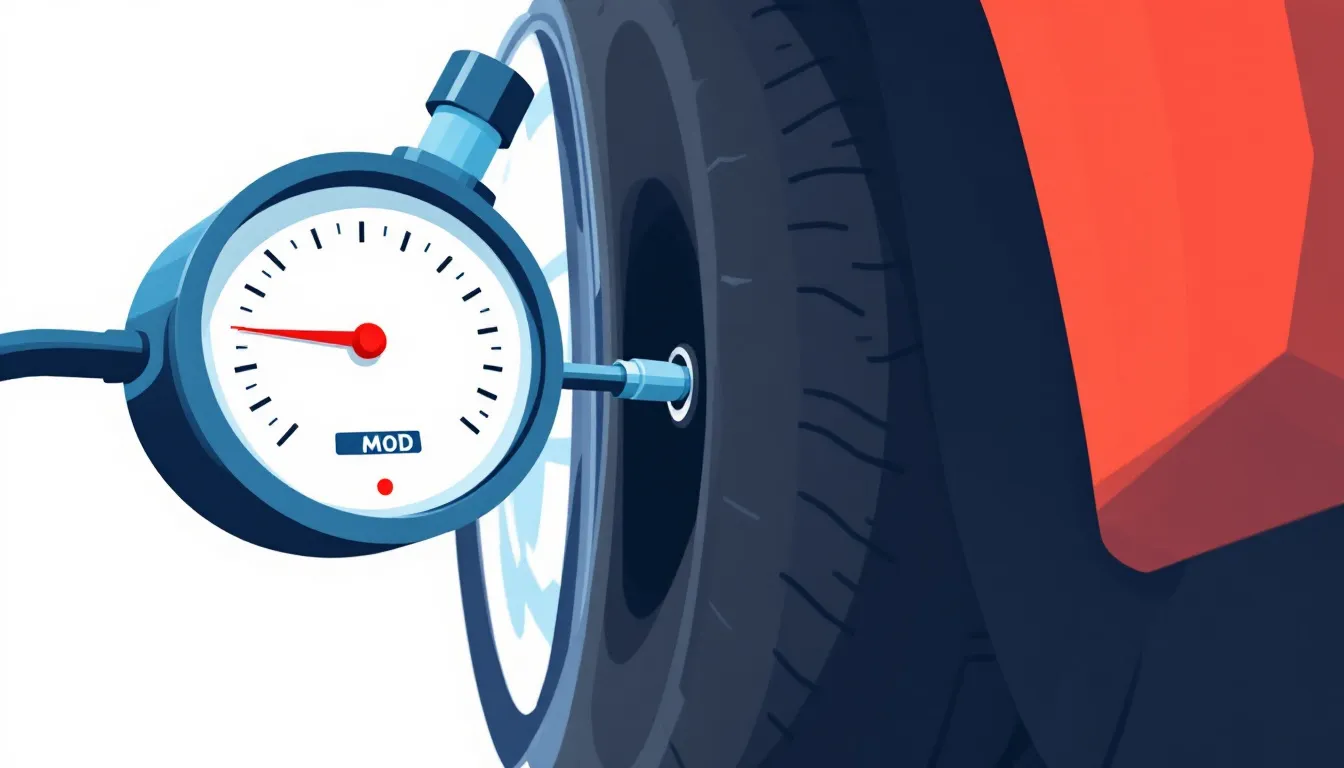
Checking your tyres before hitting the road is crucial. Proper tire care and maintenance ensure safety and extend the life of your car’s components.
Make checking tire pressure a regular habit, ideally once a month and when the tires are cold. Correct tire pressure helps extend the lifespan of your suspension components and can improve gas mileage by 0.6% to 3%.
Assess the tread depth of your tires regularly. Use a penny; if you see the top of Lincoln’s head, it’s time for new tires. Check for punctures by mixing soap and water, pouring it on the tire, and watching for air bubbles.
Additionally, tire rotation and wheel alignment are essential. Regular rotation prevents uneven wear, extending tire life. Proper wheel alignment ensures optimal vehicle handling, tire longevity, and overall safety, as well as the performance of the wheels.
Engine Basics
Grasping the basics of your car’s engine and basic car knowledge is fundamental. The engine is the heart of your vehicle, and maintaining the radiator well ensures longevity and heat performance. aaa
Regular oil changes maintain engine lubrication and prevent engine noise that signals issues. Observing engine noises helps diagnose problems early. Consistent engine maintenance keeps your car running smoothly and avoids costly repairs. An oil change is essential for optimal performance.
Knowing these fundamentals equips you to identify problems early and keep your engine running smoothly, providing essential information about mechanics.
Braking System
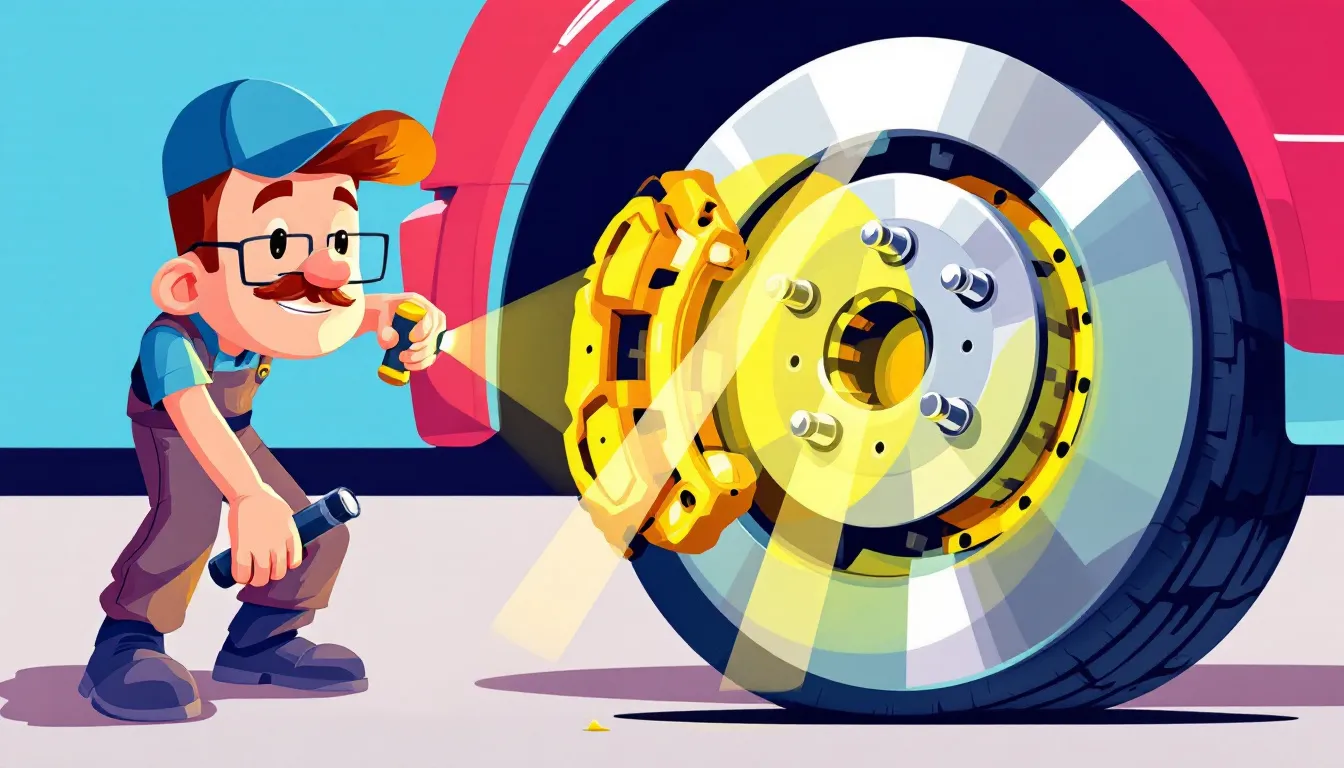
The braking system is crucial for vehicle safety, directly influencing stability and performance during stops. Regular maintenance of the brakes prevents dangerous situations.
Look out for squealing or grinding noises, or a soft brake pedal, as these indicate the need for maintenance. Regularly check for leaks in brake lines to prevent failure. Seasonal inspections ensure your brake system performs well in varying weather conditions.
Regularly check brake pads as their wear can weaken braking power and damage other components. Frequently inspect brake fluid; old or contaminated fluid compromises effectiveness.
Steering and Suspension Systems
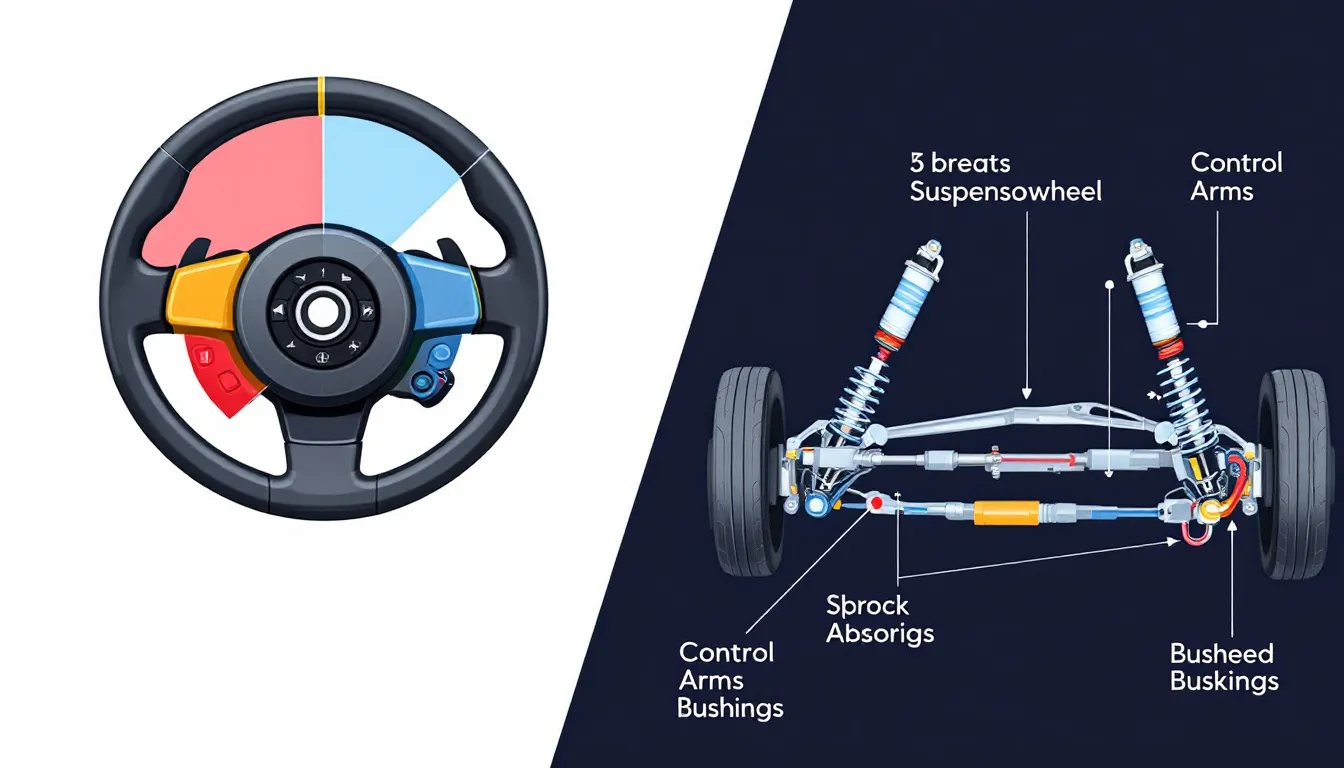
Your car’s steering system and suspension system are vital for control and comfort. The controlled suspension keeps tires in contact with the road, enhancing stability and overall control.
Inspect suspension components every 12,000 miles to identify issues early, preventing costly repairs and ensuring optimal performance. Shock absorbers control the bounce of the vehicle’s springs, providing a smoother ride and better handling.
Check your shocks or springs if you notice excessive bouncing, uneven tire wear, or a decline in handling and ride comfort.
Fuel Efficiency Tips

Fuel efficiency is crucial today, saving you money and reducing your carbon footprint. Driving conditions and habits affect fuel economy and vehicle maintenance in the following ways:
- Aggressive driving, like speed and rapid acceleration, can reduce fuel economy by up to 30% at highway high speeds.
- Smooth driving and avoiding sudden stops extend brake component lifespan.
- Smooth driving also reduces wear on suspension parts.
In-vehicle feedback systems can improve fuel economy by an average of 6.6% when used with other strategies like driver training. Correct tire pressure enhances vehicle control and fuel efficiency. Regular tire rotation, every 5,000 to 8,000 miles, prevents uneven wear.
Efficient route planning reduces unnecessary driving, conserving fuel and minimizing emissions to drive energy efficiency.
Using Carly for Car Diagnostics

Modern cars have complex systems that are challenging to diagnose without the right tools, as is the case with most cars. Carly, just someone who offers a comprehensive platform for car knowledge, provides a scanner that diagnoses and codes your car for efficient repairs, maintenance, and savings. Most modern cars require such tools for effective troubleshooting.
The Carly app and scanner are user-friendly, catering to both novice and experienced car owners. Diagnose car issues by reading and clearing fault codes from various brands with the Carly device to confirm access to valuable insights.
The app includes:
- A Repair Cost Calculator to estimate repair expenses based on fault information.
- The Carly scanner and app to check your vehicle’s condition.
- The ability to clear fault codes.
- The option to perform self-service.
Learning Resources for Car Owners

Continued learning is vital for every car owner. Online resources like blogs and videos provide valuable information for car maintenance. Traditional resources include Factory Service Manual, Chilton, and Haynes, catering to various expertise levels.
Expert communities on auto repair forums offer invaluable support, allowing car owners to share experiences and seek advice. For those uncertain about maintenance, online guides can be supplemented with professional services.
Summary
As we wrap up, remember that basic car knowledge is not just about understanding how to drive but also about maintaining your vehicle for safety and efficiency. From tire care and engine basics to braking systems and fuel efficiency tips, these are the cornerstones of being a responsible car owner.
By incorporating these practices into your routine, you’ll not only extend the life of your car but also ensure a safer and more enjoyable driving experience. So, stay informed and keep learning—your car will thank you for it.
Frequently Asked Questions
How often should I check my tire pressure?
You should check your tire pressure at least once a month, ideally when the tires are cold, to ensure optimal performance and safety.
What are the benefits of regular oil changes?
Regular oil changes are essential for maintaining engine lubrication and preventing damage, ultimately enhancing your vehicle’s performance and longevity. They also help reduce engine noise associated with improper lubrication.
What are the signs that my brakes need maintenance?
If you notice squealing or grinding noises, or if your brake pedal feels soft, it’s essential to schedule maintenance for your brakes. Addressing these signs promptly can ensure your safety on the road.
How can Carly help with car diagnostics?
Carly can help with car diagnostics by enabling users to read and clear fault codes, allowing them to assess their vehicle’s condition effectively. This empowers car owners to understand and address potential issues on their own.
Where can I find reliable information for car maintenance?
You can find reliable information for car maintenance through online resources such as blogs, instructional videos, auto repair manuals, and reputable auto repair forums. These platforms offer expert advice and detailed guidance to help you maintain your vehicle effectively.