

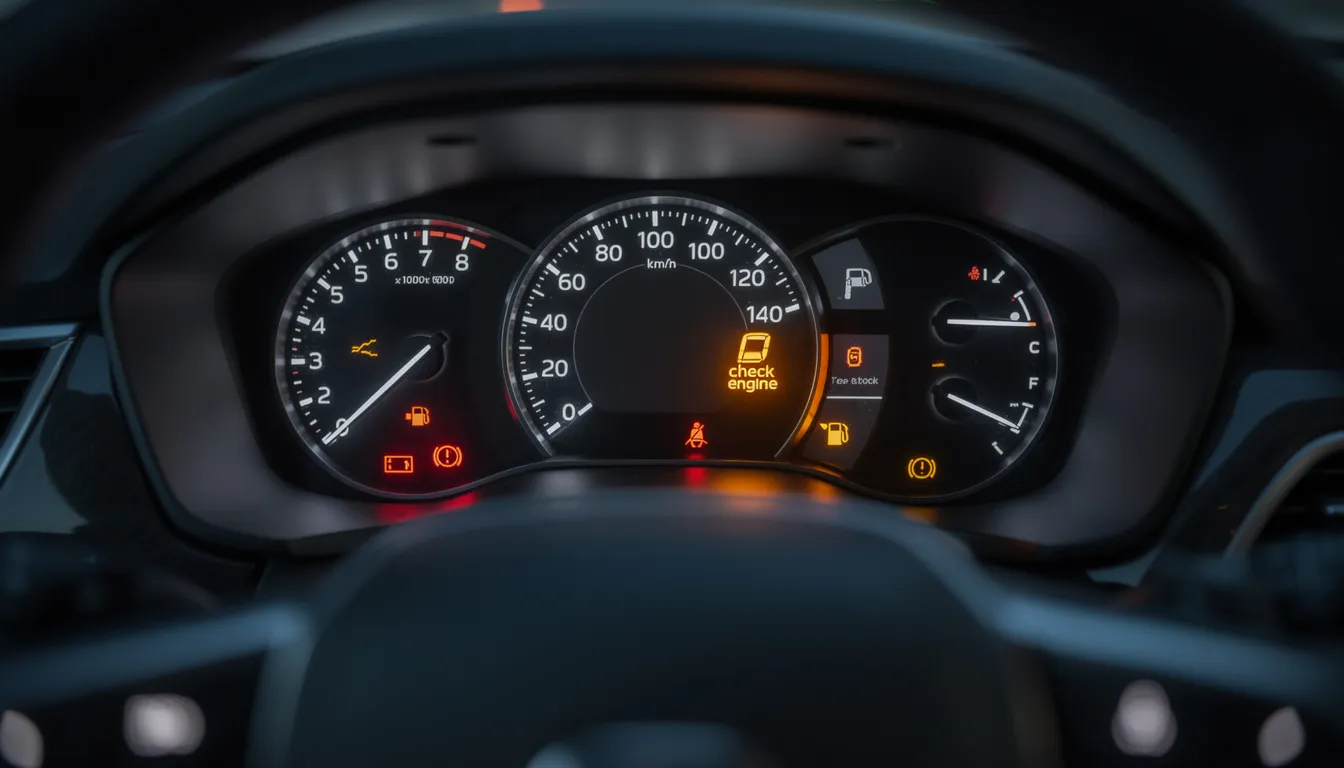
When your check engine light suddenly illuminates on the dashboard, it can trigger immediate anxiety about potential repair costs and vehicle safety. That amber warning light represents your car’s way of communicating that something requires attention, but without the proper tools and knowledge, you’re left guessing about the severity and nature of the problem.
Modern vehicles generate thousands of diagnostic messages through sophisticated onboard diagnostic systems, yet most drivers remain in the dark about what these codes actually mean. Understanding engine warning light codes empowers you to make informed decisions about repairs, avoid unnecessary expenses, and maintain your vehicle more effectively.
This comprehensive guide will decode the mystery behind dashboard warning lights, explain how diagnostic trouble codes work, and show you how professional-grade scanning tools like Carly OBD can transform your relationship with vehicle maintenance. Whether you’re dealing with a flashing check engine light emergency or want to proactively monitor your car’s health, this guide provides the knowledge you need to take control.
What Are Engine Warning Light Codes
Engine warning light codes are 5-digit alphanumeric diagnostic trouble codes (DTCs) that identify specific vehicle malfunctions detected by your car’s sophisticated monitoring system. When sensors throughout your vehicle detect irregularities in the combustion process, emissions system, or other critical components, the onboard diagnostic (OBD-II) system stores these fault codes and triggers the familiar check engine light on your dashboard.
These diagnostic trouble codes follow a standardized structure that begins with a letter prefix indicating the affected system. P codes address powertrain issues involving your car’s engine and transmission, including problems with fuel injectors, oxygen sensor malfunctions, or spark plugs failures. B codes relate to body systems encompassing comfort and safety features, while C codes concern chassis systems such as suspension and braking. U codes indicate network communications failures between different vehicle modules, affecting how various systems coordinate with each other.
The remaining four digits provide increasingly specific information about the malfunction. The second character reveals whether the code represents a generic standard (0) used across all manufacturers or a manufacturer-specific code (1, 2, or 3) unique to particular vehicle brands. This distinction proves crucial because generic codes ensure consistent diagnosis regardless of whether you drive a Ford, Toyota, or Mercedes, while manufacturer-specific codes address unique design elements proprietary to specific brands.
Over 30,000 possible codes exist across different vehicle manufacturers and systems, creating a vast diagnostic language that covers everything from simple loose gas cap issues to complex engine timing problems. This extensive code library reflects the sophistication of modern vehicles, where dozens of sensors continuously monitor critical parameters to ensure optimal performance and emissions compliance.
The Carly OBD scanner provides the most comprehensive code reading and interpretation available for consumers, offering detailed explanations that go far beyond basic code readers. While simple scanners might display “P0420” without context, Carly OBD explains that this indicates a catalytic converter efficiency problem, provides possible causes, suggests diagnostic steps, and estimates repair costs—transforming cryptic codes into actionable information.
How Engine Diagnostic Codes Work
Your vehicle’s Engine Control Module (ECM) represents the central nervous system that continuously monitors over 100 sensors and components throughout the combustion process and emissions system. These sensors track critical parameters including air entering the engine, fuel delivery rates, exhaust composition, and ignition timing. When any parameter falls outside predetermined normal ranges, the system immediately stores a fault code and triggers appropriate dashboard warning lights.
The monitoring process occurs in real-time, with the ECM analyzing sensor data hundreds of times per second. For example, oxygen sensor readings help the computer determine if the engine is running lean (not enough fuel) or rich (too much fuel), adjusting fuel injectors accordingly. When an oxygen sensor fails or provides erratic readings, the system detects this anomaly and stores corresponding engine codes while illuminating the check engine light to alert drivers.
Understanding that codes pinpoint the circuit or system with the problem, rather than necessarily identifying the exact faulty component, proves crucial for effective diagnosis. A P0420 catalytic converter code might indicate a failed converter, but it could also result from upstream oxygen sensor problems, engine misfires, or even a small leak in the vehicle’s exhaust system. Multiple codes may appear simultaneously, requiring systematic diagnosis to identify root causes rather than simply replacing the component mentioned in each code.
The system differentiates between active codes representing current ongoing problems and pending codes indicating intermittent issues that haven’t yet reached the threshold for check engine light activation. This sophisticated approach prevents nuisance warnings from temporary glitches while ensuring persistent problems receive attention. Many vehicles require a fault to occur during consecutive warm-up cycles before elevating it from pending to active status.
Professional-grade tools like Carly OBD provide detailed explanations and repair guidance for each code, offering the diagnostic capabilities that mechanics use. Instead of simply listing fault codes, Carly interprets the relationships between multiple codes, suggests systematic diagnostic procedures, and provides live sensor data to verify repairs. This comprehensive approach transforms basic code reading into professional-level vehicle diagnosis.
Most Common Engine Warning Light Codes
Understanding the most frequently encountered engine warning light codes empowers drivers to assess problem severity and make informed repair decisions. The top 15 diagnostic trouble codes account for approximately 70% of all check engine light activations, making familiarity with these codes particularly valuable for vehicle owners.
These common codes typically relate to fundamental engine systems including ignition, fuel delivery, emissions control, and air intake management. While some codes indicate simple issues like a loose gas cap, others signal potentially serious problems requiring immediate attention to prevent engine damage.
Each code provides specific information about symptoms, possible causes, and typical repair costs, helping drivers distinguish between minor inconveniences and major mechanical failures. Real-world examples demonstrate how Carly OBD helps drivers identify and resolve issues quickly, often saving hundreds of dollars in unnecessary diagnostic fees.
P0300-P0308 Series: Engine Misfire Codes
The P0300 through P0308 series represents some of the most critical engine codes, indicating misfires that directly affect engine performance and emissions. P0300 signals random or multiple cylinder misfires occurring throughout the engine, while P0301 through P0308 specify individual cylinder misfires for cylinders 1 through 8 respectively.
Engine misfires occur when the combustion process fails to ignite properly in one or more cylinders, causing incomplete fuel burning and reduced power output. Common causes include worn spark plugs that fail to create adequate ignition, faulty ignition coils that don’t provide sufficient electrical energy, clogged fuel injectors that disrupt proper fuel delivery, or compression issues resulting from worn piston rings or valve problems.
Symptoms of misfire codes include rough idle that makes the engine shake or vibrate, noticeable power loss during acceleration, poor fuel economy due to incomplete combustion, and potential damage to the catalytic converter from unburned oxygen entering the vehicle’s exhaust system. Drivers often notice the car pulling or hesitating during acceleration, particularly under load conditions like climbing hills or merging onto highways.
The severity of misfire codes varies significantly depending on frequency and affected cylinders. Occasional misfires might indicate simple maintenance needs like spark plug replacement, while consistent misfires suggest more serious problems requiring immediate attention. A flashing check engine light accompanying misfire codes indicates severe misfiring that can damage the catalytic converter within minutes.
Carly OBD provides cylinder-specific data to pinpoint exact misfire patterns and root causes, displaying real-time misfire counts for each cylinder and helping identify whether problems stem from ignition, fuel, or mechanical issues. This detailed analysis eliminates guesswork and prevents unnecessary component replacement, saving both time and money during diagnosis.
P0171 and P0174: Fuel System Lean Codes
P0171 indicates that Bank 1 of the fuel system is running too lean, meaning the engine receives insufficient fuel relative to the amount of air entering the combustion chambers. P0174 signals the same condition in Bank 2, typically appearing in V6 or V8 engines with dual fuel banks. These lean condition codes represent serious problems that can lead to engine damage if not addressed promptly.
Lean fuel conditions occur when the engine receives too much air or not enough fuel, disrupting the optimal air-fuel ratio required for efficient combustion. Common causes include vacuum leak problems that allow unmetered air to enter the engine, faulty mass airflow sensors that incorrectly measure incoming air, clogged fuel injectors that restrict fuel delivery, or fuel pump issues that reduce fuel pressure throughout the system.
A vacuum leak represents one of the most frequent causes of lean codes, occurring when damaged hoses, gaskets, or intake manifold components allow air to bypass the throttle body. This unmetered air entering the engine confuses the ECM’s calculations, causing it to provide insufficient fuel for proper combustion. Even a small leak can trigger lean codes and significantly impact engine performance.
Symptoms include rough idle, hesitation during acceleration, poor fuel economy despite lean operation, and potential long-term engine damage from increased combustion temperatures. Lean conditions cause engines to run hotter than normal, potentially damaging pistons, valves, and other internal components over time.
Carly’s advanced diagnostics help locate vacuum leaks and sensor malfunctions efficiently through comprehensive system testing and live data analysis. The scanner monitors fuel trim values, airflow readings, and other critical parameters to pinpoint the exact source of lean conditions, eliminating the time-consuming process of manually checking dozens of potential vacuum leak sources.
P0420 and P0430: Catalytic Converter Efficiency
P0420 indicates that Bank 1’s catalytic converter has fallen below the efficiency threshold required for proper emissions control, while P0430 signals the same problem in Bank 2’s catalytic converter. These codes represent some of the most expensive potential repairs, making accurate diagnosis absolutely critical before replacement.
Catalytic converters transform harmful exhaust gases into less toxic carbon dioxide and water vapor through chemical reactions occurring within their honeycomb structure. When converters lose efficiency due to contamination, overheating, or age-related degradation, they can no longer adequately reduce emissions, triggering these fault codes.
However, catalytic converter codes frequently result from upstream problems rather than actual converter failure. Faulty oxygen sensor readings can make a perfectly functional converter appear inefficient, while engine misfires can contaminate the converter with unburned fuel and oxygen, reducing its effectiveness. Oil consumption problems can also coat converter surfaces with deposits that interfere with chemical reactions.
The financial stakes for proper diagnosis are substantial, with catalytic converter replacement costs ranging from $1,000 to $3,000 depending on the vehicle and converter type. Many drivers receive unnecessary converter replacements when the actual problem involves upstream oxygen sensors costing a fraction of converter replacement.
Symptoms of genuine converter problems include reduced acceleration, sulfur odors from the exhaust, and potential overheating conditions. However, these symptoms also accompany other engine problems, making professional diagnosis essential before committing to expensive repairs.
Carly OBD performs comprehensive catalyst tests to confirm actual converter failure through sophisticated efficiency calculations and downstream oxygen sensor monitoring. The system analyzes pre- and post-catalyst oxygen levels, monitors converter operating temperatures, and evaluates long-term efficiency trends to distinguish between genuine converter problems and upstream issues causing false codes.
P0440-P0456: EVAP System Codes
The Evaporative Emission (EVAP) system prevents fuel vapors from escaping into the atmosphere, capturing them in a charcoal canister for later combustion during engine operation. P0440 indicates a general EVAP emission control system malfunction, while specific codes like P0442 and P0456 indicate small leaks, and P0455 signals large leaks often caused by a loose gas cap.
This emission control system operates through a complex network of vacuum lines, valves, and sensors that monitor fuel tank pressure and detect vapor leaks. When the system detects unexpected pressure changes or vapor escape, it stores appropriate trouble codes and may trigger the check engine light.
A loose or damaged gas cap represents the most common EVAP system problem and the simplest fix. The gas cap seals the fuel tank to maintain proper vacuum levels, and even slight looseness can trigger EVAP codes. Many drivers discover that simply tightening their gas cap resolves P0455 codes after driving 50-100 miles to allow the system to retest.
More complex EVAP problems involve vapor line leaks, faulty purge valves, or charcoal canister saturation. These issues require systematic testing to locate specific leak points within the vapor recovery system. Traditional diagnosis often involves expensive smoke testing equipment that forces visible smoke through the system to identify leak locations.
Symptoms of EVAP system problems are often subtle, with minimal impact on engine performance but potential emissions test failures. Drivers might notice slight fuel odors or failed emissions testing, but many EVAP issues produce no noticeable driving symptoms until they trigger check engine warnings.
Carly’s EVAP system testing identifies leak locations without expensive smoke testing equipment, using sophisticated pressure monitoring and valve cycling tests. The system guides users through systematic diagnostic procedures that isolate problem areas, providing clear repair directions and cost estimates for different repair scenarios.
OBD-II Code Categories Explained
The OBD-II standard organizes diagnostic trouble codes into distinct categories that reflect different vehicle systems and diagnostic approaches. Understanding these categories helps drivers and technicians quickly assess problem areas and prioritize repair efforts based on safety and operational importance.
Generic OBD-II codes (designated by 0 as the second character) represent standardized diagnostics that apply across all vehicle manufacturers, ensuring consistent interpretation regardless of brand. Manufacturer-specific codes (designated by 1, 2, or 3) provide enhanced diagnostics for unique vehicle features and proprietary systems that extend beyond basic OBD-II requirements.
This categorical organization serves practical purposes during diagnosis, allowing technicians to immediately identify whether problems affect critical powertrain systems, secondary comfort features, or communication networks between vehicle modules. The systematic approach streamlines repair prioritization and helps avoid unnecessary work on less critical systems.
P-Codes (Powertrain)
P-codes address the powertrain system encompassing the engine, transmission, and related emission control components that directly affect vehicle operation and environmental compliance. These codes represent the most frequently encountered diagnostic messages and typically receive highest priority due to their impact on vehicle safety and performance.
P0xxx codes represent generic powertrain diagnostics standardized across all manufacturers, covering fundamental engine functions like fuel delivery, ignition timing, emission control, and transmission operation. These universal standards enable consistent diagnosis regardless of vehicle brand, ensuring that a P0300 misfire code means the same thing whether detected in a Honda or BMW.
P1xxx codes provide manufacturer-specific powertrain diagnostics with enhanced detail beyond basic OBD-II requirements. These codes address unique engine management features, proprietary emission control strategies, and advanced transmission systems specific to particular brands. For example, some manufacturers use P1xxx codes to monitor advanced variable valve timing systems or sophisticated turbocharged engine parameters.
P2xxx codes focus on fuel and air metering systems, addressing advanced emission controls like secondary air injection, exhaust gas recirculation (EGR system), and evaporative emission controls. These codes often relate to environmental compliance and may affect emissions test results even when engine performance remains acceptable.
P3xxx codes address ignition system components and advanced misfire detection systems that monitor combustion quality across all engine cylinders. Modern vehicles use sophisticated algorithms to detect even slight combustion irregularities that could indicate developing problems or emission control failures.
Carly OBD database includes over 25,000 P-codes with detailed explanations, covering everything from basic engine sensors to advanced hybrid powertrains. Each code entry provides comprehensive information about symptoms, possible causes, diagnostic procedures, and typical repair costs, transforming cryptic alphanumeric codes into actionable repair guidance.
B-Codes (Body)
B-codes relate to body control modules that manage comfort, convenience, and safety systems throughout the vehicle. These systems include lighting controls, HVAC operation, power accessories, security systems, and various driver assistance features that enhance comfort and safety without directly affecting engine operation.
Body system diagnostics often require specialized knowledge because many B-codes involve complex electronic modules that control multiple functions simultaneously. A single body control module might manage interior lighting, power windows, door locks, and security systems, making diagnosis more challenging than simple engine sensor problems.
Many body system repairs require module programming or calibration after component replacement, adding complexity and cost to repair procedures. Unlike simple sensor replacement for engine codes, body system work often demands dealer-level diagnostic capabilities and specialized programming equipment.
However, some B-codes indicate simple problems like blown fuses, loose connections, or worn switches that can be resolved through basic troubleshooting. Understanding which B-codes suggest simple fixes versus complex module problems helps drivers make informed decisions about DIY repairs versus professional assistance.
Carly supports body system diagnostics on supported vehicle makes, providing comprehensive coverage for major European and domestic brands. The system identifies simple electrical problems that owners can address while recognizing complex module issues that require professional attention.
How to Read Engine Warning Light Codes
Reading engine warning light codes requires connecting an OBD-II scanner to your vehicle’s diagnostic port and interpreting the resulting fault codes through systematic analysis. While basic code readers provide minimal information, professional-grade tools like Carly OBD deliver comprehensive diagnostics that rival dealer-level equipment capabilities.
The diagnostic process involves more than simply retrieving codes; effective analysis requires understanding code relationships, accessing live sensor data, and monitoring system performance under various operating conditions. Professional diagnosis distinguishes between symptoms and root causes, preventing unnecessary repairs and ensuring lasting problem resolution.
Understanding different code statuses—active, pending, and permanent—proves crucial for effective diagnosis and repair verification. Each status indicates different problem severity levels and repair urgency, helping drivers prioritize attention and resources appropriately.
Using Carly OBD Scanner
The Carly OBD scanning process begins by connecting the Carly adapter to your vehicle’s diagnostic port, typically located under the dashboard near the driver’s left knee. This standardized OBD-II connector provides access to your car’s engine control computer and various other electronic modules throughout many vehicles.
Launch the Carly app on your smartphone and establish a Bluetooth connection with the OBD adapter. The wireless connection allows convenient scanning without being tethered directly to the diagnostic port, enabling comfortable operation from the driver’s seat or outside the vehicle.
Select “Diagnose” from the main menu to initiate a comprehensive scan for active and pending trouble codes throughout all accessible vehicle systems. The scanning process typically requires 30-60 seconds to complete, depending on vehicle complexity and the number of electronic modules present.
Review detailed code explanations that go far beyond basic fault code identification. Carly provides comprehensive information about each detected code, including plain-English descriptions of the problem, possible causes, symptoms to expect, diagnostic procedures, and estimated repair costs. This level of detail transforms cryptic diagnostic codes into actionable repair information.
Access live sensor data to verify repairs and monitor system performance in real-time. The live data feature displays current values from dozens of sensors throughout the vehicle, allowing verification that repairs have restored proper operation and enabling detection of developing problems before they trigger warning lights.
Understanding Code Status
Active codes represent current malfunctions that have triggered dashboard warning lights and require immediate attention to restore proper vehicle operation. These codes indicate ongoing problems that the vehicle’s diagnostic system has confirmed through multiple detection cycles, ensuring they represent genuine issues rather than temporary glitches.
Pending codes suggest intermittent issues that the diagnostic system has detected but hasn’t yet confirmed through sufficient occurrence cycles to warrant warning light activation. These codes serve as early warnings about developing problems that may become active codes if underlying issues aren’t addressed. Many intermittent problems start as pending codes before progressing to active status.
Historic codes show previously resolved problems that remain stored in the vehicle’s diagnostic memory for reference purposes. These codes help technicians understand past issues and identify patterns that might indicate recurring problems or inadequate previous repairs. Understanding historic codes provides valuable context during current problem diagnosis.
Permanent codes represent special diagnostic messages that cannot be cleared using standard code clearing procedures until the underlying problem is completely resolved and verified through specific drive cycle testing. These codes ensure that serious emission-related problems receive proper attention rather than being hidden through simple code clearing.
Carly displays all code types with clear status indicators that help users understand problem urgency and repair priorities. The visual distinction between active, pending, and historic codes enables informed decision-making about immediate repair needs versus monitoring situations that may develop over time.
What to Do When Engine Codes Appear
When engine codes appear, your immediate response should focus on safety assessment based on code severity and accompanying symptoms. A solid check engine light typically indicates less urgent issues that allow continued driving with caution, while a flashing warning light signals severe problems requiring immediate vehicle shutdown to prevent catastrophic engine damage.
Understanding the systematic approach to code-triggered problems helps you balance safety concerns with practical transportation needs. Simple troubleshooting steps can resolve many common codes, while complex problems require professional diagnosis and repair to ensure lasting solutions.
The key lies in distinguishing between symptoms you can safely address versus problems that demand immediate professional attention. Carly OBD guides users through systematic diagnostic procedures that help identify simple fixes while recognizing potentially dangerous conditions.
Immediate Response Steps
First, determine if your check engine light displays as a steady illumination or flashing pattern. A steady light indicates detected problems that require attention but typically allow continued driving with monitoring. A flashing check engine light signals severe engine misfire occurring in real-time, demanding immediate vehicle shutdown and professional towing to prevent expensive catalyst damage.
Note any performance issues accompanying the warning light, including rough running, loss of power, unusual noises, or changes in fuel consumption. These symptoms help assess problem severity and guide initial troubleshooting efforts. Sudden power loss or severe rough running suggests more urgent problems than gradual performance degradation.
Use Carly OBD to read codes and assess severity level immediately after noticing warning light activation. Professional-grade diagnostics provide immediate problem identification and severity assessment, enabling informed decisions about continued driving versus seeking immediate assistance.
Check basic maintenance items like gas cap tightness before proceeding with complex diagnosis. A loose gas cap represents the most common check engine light trigger and requires only simple tightening to resolve. Ensure the cap clicks several times when tightening and drive 50-100 miles to allow the diagnostic system to verify the repair.
Determine if the vehicle is safe to drive based on code classification and symptoms. Minor emissions codes typically allow continued operation with monitoring, while severe misfire codes or multiple simultaneous warnings suggest immediate professional attention to prevent additional damage.
Simple Fixes You Can Try
Start with the simplest and most common solution: tighten your loose gas cap until it clicks several times, then drive 50-100 miles to see if P0440-series EVAP codes clear automatically. This simple fix resolves more check engine light problems than any other single intervention and costs nothing to attempt.
Check your air filter condition and replace if heavily contaminated with dirt, debris, or oil. A severely clogged filter can trigger various codes by disrupting proper airflow measurement and causing the engine to run rich or lean. Filter replacement typically costs $10-30 and takes minutes to complete.
Inspect visible vacuum hoses for obvious cracks, splits, or disconnected fittings throughout the engine bay. Small vacuum leaks can trigger multiple codes related to lean fuel conditions, and many hose problems are visible during careful inspection. Simple hose replacement often costs less than $20 and prevents expensive diagnostic fees.
Verify engine oil level and condition using the dipstick, adding oil if necessary or scheduling an oil change if the oil appears dirty or contaminated. Some codes relate to oil pressure or oil consumption issues that proper maintenance can resolve or prevent from worsening.
Use Carly’s guided diagnostics to identify other simple maintenance items that might resolve codes without expensive repairs. The systematic approach helps distinguish between genuine mechanical problems and maintenance-related issues that regular service can address.
Advanced Diagnostic Features
Advanced diagnostic capabilities separate professional-grade tools from basic code readers, providing the comprehensive analysis needed for accurate problem identification and effective repair verification. These features enable users to perform the same diagnostic procedures that professional technicians use, often identifying problems that basic scanners miss entirely.
Live data monitoring reveals real-time system operation under various driving conditions, helping identify intermittent problems and verify successful repairs. Freeze frame data captures the exact operating conditions when codes first appeared, providing crucial context for effective diagnosis.
Readiness monitor status indicates whether various emission systems have completed their self-testing procedures, essential information for emissions testing compliance and repair verification. These advanced features transform basic code reading into comprehensive vehicle health analysis.
Live Data Analysis
Monitor real-time sensor values including oxygen sensor switching patterns, fuel trim adjustments, and ignition timing variations that reveal system health and performance trends. Live data analysis provides insight into how well various systems are functioning, often identifying developing problems before they trigger warning lights.
Graph data trends over time to identify intermittent problems that occur only under specific operating conditions like highway speeds, cold starts, or heavy acceleration. Many difficult-to-diagnose problems become obvious when sensor values are monitored during problem occurrence rather than during static testing.
Compare live sensor values to manufacturer specifications to verify proper system operation and identify sensors providing readings outside normal parameters. This comparison helps distinguish between failed sensors and properly functioning sensors detecting actual system problems.
Use live data to verify successful repairs and proper system operation after completing maintenance or component replacement. Monitoring key parameters during test drives ensures that repairs have restored normal operation and haven’t created new problems.
Carly provides the most comprehensive live data coverage available to consumers, displaying dozens of real-time sensor readings with graphical trends and specification comparisons. This professional-level capability enables accurate diagnosis of complex problems that simple code readers cannot identify.
Preventing Engine Warning Light Codes
Proactive maintenance and regular monitoring prevent many engine warning light activations, saving money and avoiding inconvenient breakdowns. Understanding which maintenance items most commonly trigger codes helps prioritize preventive care and maximize vehicle reliability.
Regular diagnostic scanning catches developing problems before they reach warning light thresholds, enabling early intervention that prevents minor issues from becoming major repairs. Quality fuel and oil selection significantly impact sensor longevity and system performance over time.
Carly’s scheduled maintenance reminders help drivers stay current with critical service intervals, preventing neglect-related codes and ensuring optimal vehicle performance throughout ownership.
Proactive Monitoring
Perform monthly diagnostic scans using Carly OBD to check for pending codes that haven’t yet triggered warning lights but indicate developing problems. This early detection enables preventive maintenance before minor issues become expensive repairs or cause secondary damage to other components.
Monitor fuel trim values regularly to detect developing intake or fuel system issues before they affect engine performance or trigger emissions codes. Fuel trim data reveals how hard the engine management system works to maintain proper air-fuel ratios, with excessive corrections indicating developing problems.
Check readiness monitor status before emissions testing to ensure all systems have completed their self-diagnostic procedures. Failed readiness monitors can prevent emissions test passage even when the vehicle operates normally, requiring specific drive cycles to complete monitor testing.
Track sensor performance trends over time to predict component failures before they occur, enabling planned replacement during convenient service intervals rather than emergency roadside situations. Pattern recognition helps identify sensors approaching end-of-life conditions.
Carly’s health report feature provides comprehensive system analysis that identifies potential problems across all vehicle systems, not just engine management. This holistic approach enables proactive maintenance that keeps entire vehicles operating reliably rather than addressing individual system failures reactively.
Taking control of your vehicle’s diagnostic capabilities transforms the frustrating experience of mysterious warning lights into empowered decision-making about maintenance and repairs. Understanding engine warning light codes enables you to distinguish between simple fixes and complex problems, potentially saving thousands of dollars in unnecessary diagnostic fees and premature component replacement.
The Carly OBD system provides professional-grade diagnostic capabilities that rival dealer equipment while remaining accessible to everyday drivers. With comprehensive code interpretation, live data analysis, and guided diagnostic procedures, Carly transforms anyone into a knowledgeable vehicle owner capable of making informed maintenance decisions.
Whether you’re dealing with a current check engine light or want to proactively monitor your vehicle’s health, investing in proper diagnostic capabilities pays dividends through reduced repair costs, improved reliability, and enhanced safety. Take control of your vehicle’s diagnostics today with Carly OBD and experience the confidence that comes from truly understanding your car’s communication system.