

Modern diesel truck owners face a challenging decision when their DEF systems fail: spend thousands on repairs or risk federal penalties with illegal deletion. With EPA enforcement reaching $2.9 million in settlements during 2023 alone, understanding your options has never been more critical.
This comprehensive guide examines diesel DEF delete procedures, legal consequences, and smart alternatives that keep you compliant while maximizing your truck’s performance. Whether you own a Ford PowerStroke, GM Duramax, or RAM Cummins, you’ll discover why professional diagnostics offer a superior solution to risky emissions system removal.
GAIN MORE CONTROL OF YOUR CAR WITH THE CARLY FEATURES
Check the exact pricing of Carly for your car brand!

Fast International Shipping with DHL

14 days adaptor return policy

Excellent customer support

Lifetime warranty in the hardware
SEEN IN






What is a Diesel DEF Delete?
A diesel DEF delete involves the complete removal or bypassing of the diesel exhaust fluid system from modern diesel engines. This process targets the selective catalytic reduction (SCR) technology that uses urea-based fluid to reduce harmful nitrogen oxides emissions by up to 90%.
The deletion process requires removing multiple vehicle components, including the DEF tank, injector system, and associated sensors. Most importantly, the engine control unit must be reprogrammed to prevent error codes that would otherwise trigger limp mode or prevent engine startup entirely.
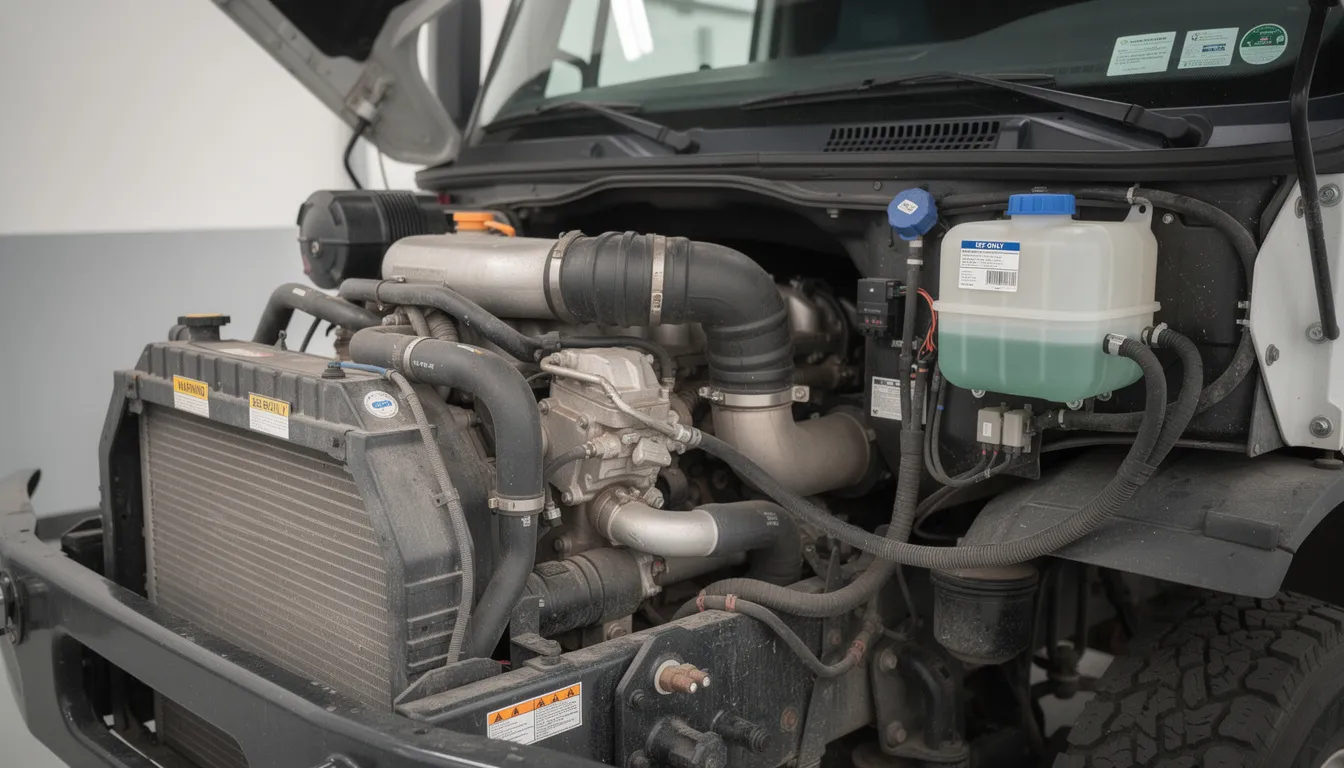
DEF deletion is frequently combined with DPF (diesel particulate filter) removal to create a complete emissions system bypass. This combination, known as a “full delete,” requires sophisticated software tuning to modify how the truck’s computer manages exhaust gas recirculation and other engine parameters.
The physical components involved in a typical DEF delete include:
- DEF tank and mounting hardware
- SCR catalyst and NOx sensors
- DEF injector and supply lines
- Exhaust system modifications
- Engine control unit reprogramming
Understanding DEF and DPF Systems in Modern Diesels
The DEF system was introduced in 2010 to help diesel engines meet EPA Tier 4 emissions standards. This technology works alongside the diesel particulate filter, which was mandated on all diesel trucks manufactured after 2007.
Modern diesel emission systems represent sophisticated engineering designed to reduce harmful pollutants while maintaining engine efficiency. The selective catalytic reduction process injects precise amounts of diesel exhaust fluid into the exhaust stream, where high temperatures convert the urea into ammonia that neutralizes nitrogen oxides.
The diesel particulate filter captures soot and ash during normal combustion, then burns these particles during regeneration cycles. This process temporarily increases fuel consumption but prevents harmful emissions from entering the atmosphere.
These emissions equipment systems work together to achieve dramatic pollution reductions:
- NOx emissions reduced by 90% through SCR technology
- Particulate matter reduced by 95% through DPF filtration
- Compliance with stringent Clean Air Act requirements
- Integration with engine management for optimal performance
Understanding how these systems function helps explain why their removal creates both legal and technical complications for truck owners.
Why Diesel Owners Consider DEF and DPF Deletes
Financial pressures drive most diesel truck owners to consider emissions system removal. The costs associated with maintaining these complex systems can be substantial, particularly as vehicles accumulate high mileage.
DEF fluid purchases represent an ongoing expense, typically ranging from $3-5 per gallon with consumption rates varying based on driving conditions. Heavy-duty applications may require DEF refills every few thousand miles, creating recurring costs that add up quickly over a vehicle’s lifetime.
System repairs present even larger financial challenges. When SCR components fail, replacement costs often range from $2,000 to $8,000 depending on the specific engine type and failure mode. Ford PowerStroke 6.7L engines, GM Duramax platforms, and RAM Cummins systems all face similar repair cost structures when emissions equipment fails.
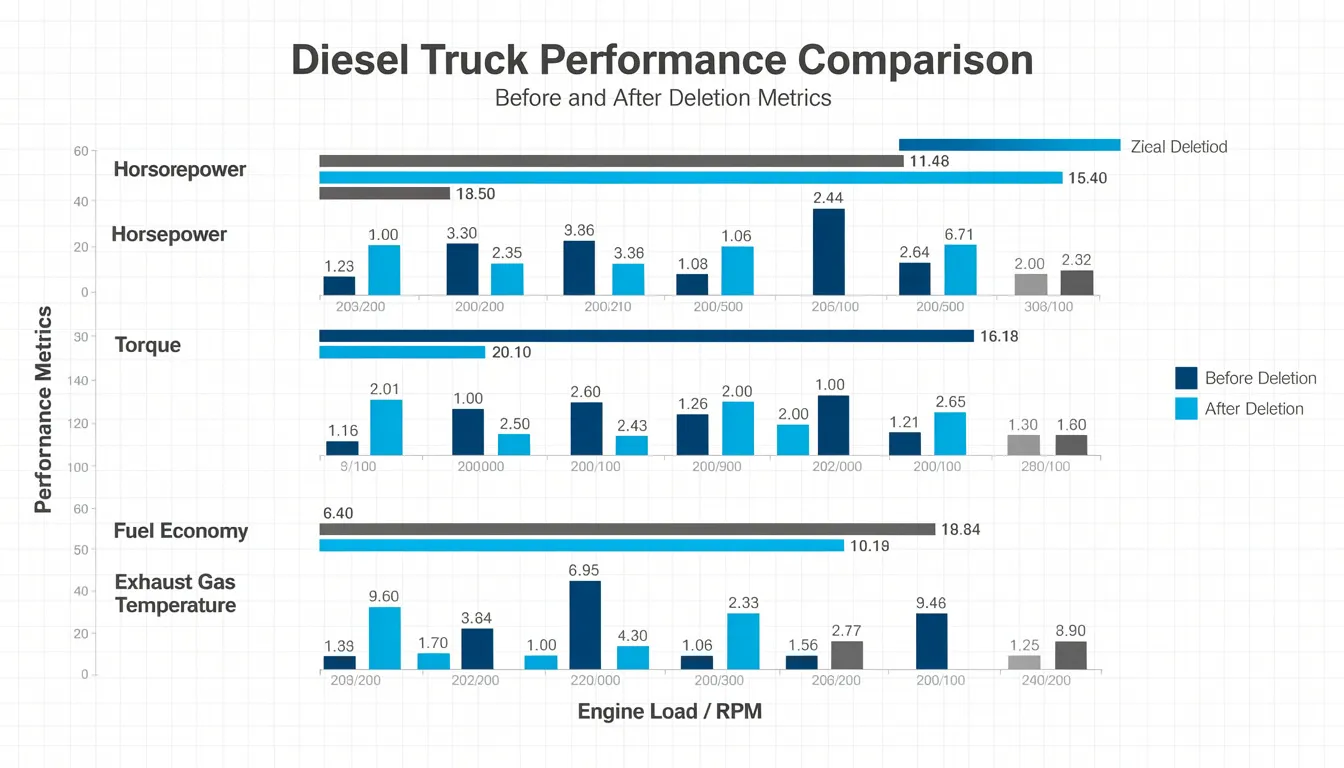
Performance considerations also influence owner decisions. DPF regeneration cycles can reduce fuel economy by 10-15% during active cleaning, while the restrictive nature of emissions equipment may limit maximum power output. Some owners report increased horsepower and torque gains of 50-100 HP after deletion, along with improved throttle response.
Additional factors that drive deletion decisions include:
- Elimination of limp mode situations caused by DEF quality sensor failures
- Avoidance of complex diagnostic procedures for system problems
- Reduced maintenance intervals and service complexity
- Prevention of DEF crystallization issues in cold climates
- Simplified engine management without emissions monitoring
However, these perceived benefits must be weighed against significant legal and technical risks that many owners don’t fully understand before proceeding with deletion.
Legal and Financial Risks of DEF Deletes
EPA Enforcement and Penalties
Federal law strictly prohibits tampering with emissions control systems under the Clean Air Act. These regulations apply nationwide, regardless of state-level enforcement variations or local inspection requirements.
Commercial operators face the most severe penalties, with fines reaching up to $45,268 per engine for violations. Individual truck owners typically receive fines ranging from $2,500 to $7,500 per violation, though repeat offenders or flagrant cases can result in higher penalties.
The EPA has significantly increased enforcement efforts in recent years. In 2023, federal settlements totaled over $2.9 million in diesel delete penalties, with Texas, California, and Colorado leading states in enforcement actions. These cases demonstrate that authorities are actively pursuing violations rather than simply relying on passive detection.
Manufacturers and retailers selling delete kits face even steeper consequences. Civil penalties exceeding $4,500 per device create substantial liability for businesses in this market. Several prominent aftermarket companies have faced million-dollar settlements for selling emissions defeat devices.
The federal enforcement strategy includes:
- Coordinated investigations across state lines
- Industry-wide sweeps targeting delete kit manufacturers
- Informant programs encouraging violation reporting
- Integration with DOT commercial vehicle inspections
- Cross-referencing with emissions testing databases
State Inspection and Registration Issues
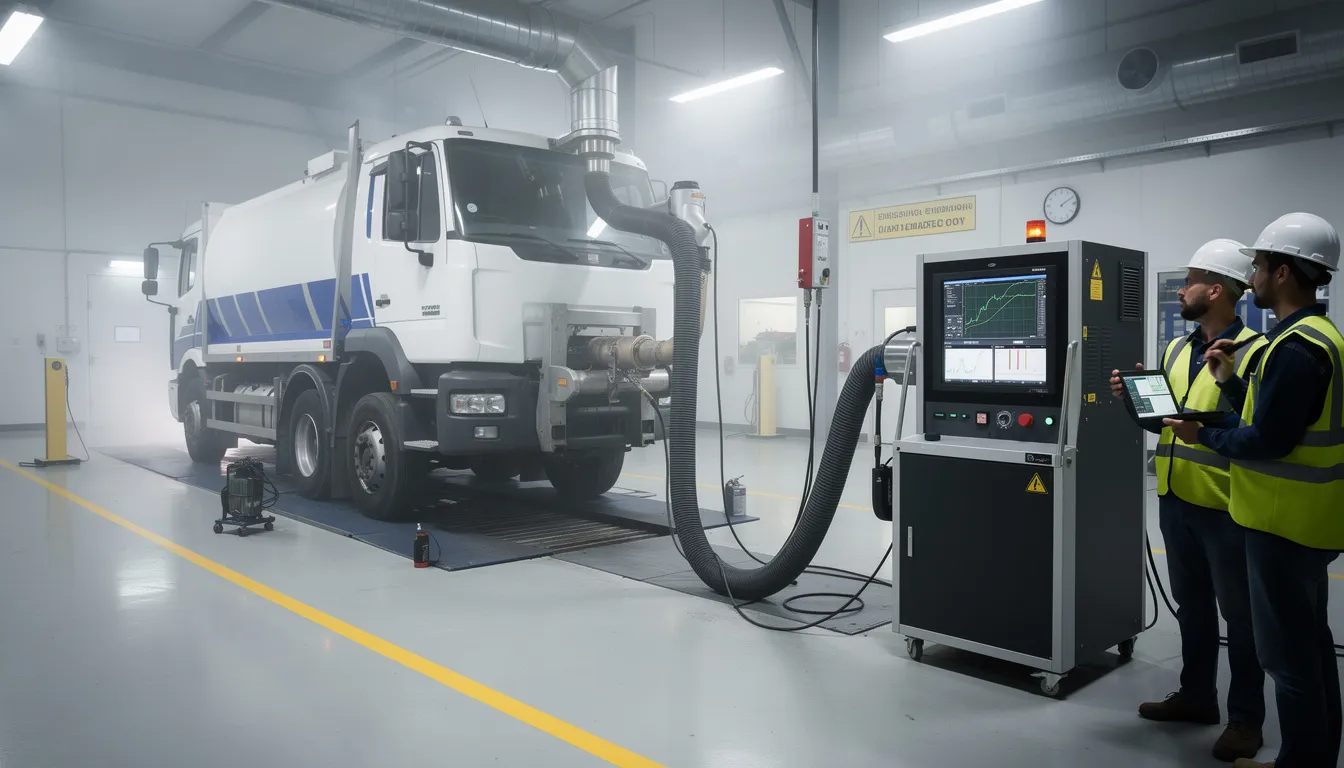
Seventeen states currently require emissions testing that will detect deleted systems during routine inspections. These programs create practical enforcement mechanisms that don’t rely solely on federal action.
Failed inspections prevent vehicle registration renewal, effectively removing deleted trucks from legal road use. Restoration to stock configuration typically costs $5,000 to $15,000 for complete compliance, often exceeding the original delete cost substantially.
The inspection process has become increasingly sophisticated. Modern testing equipment can detect:
- Missing exhaust components through visual inspection
- Altered ECU programming through diagnostic scanning
- Improper exhaust gas composition through emissions analysis
- Modified engine management parameters through data review
Resale value drops 20-30% for vehicles with detected emissions deletions. Many dealers refuse to accept deleted trucks as trade-ins, while private buyers often demand significant price reductions to offset legal risks and restoration costs.
Technical Problems After DEF Delete
Engine warranty voiding represents the immediate consequence of emissions system deletion on all 2007+ diesel vehicles. Manufacturers explicitly exclude coverage for any damage resulting from emissions system modification, leaving owners financially responsible for all subsequent repairs.
ECU programming errors during the deletion process can cause serious fuel delivery and timing issues. Improper software tuning may result in:
- Excessive fuel injection causing engine damage
- Incorrect timing advancing leading to premature wear
- Turbocharger overboosting damaging internal components
- Incomplete combustion creating carbon buildup
Exhaust backpressure changes affect turbocharger performance in unexpected ways. While owners may anticipate improved flow, removing emissions equipment can actually increase stress on turbos by eliminating designed pressure regulation. This leads to premature bearing failure and expensive repairs.
Catalyst damage from uncontrolled exhaust temperatures becomes a hidden cost. Without proper emissions system regulation, combustion temperatures increase substantially, potentially damaging remaining exhaust components and reducing engine life significantly.
The technical risks compound over time as deleted trucks accumulate mileage. Higher combustion temperatures without SCR cooling create accelerated wear patterns that may not become apparent for tens of thousands of miles, well after the warranty period has expired.
Safe and Legal Alternatives to DEF Delete
Professional diagnostic solutions offer truck owners a path to address emissions system problems without legal risks or warranty voiding. Modern diagnostic technology can identify real system problems before they require expensive repairs, preventing many of the issues that drive deletion decisions.
Performance tuning within legal emissions compliance limits provides some of the benefits owners seek from deletion. Professional tuners can optimize engine parameters while maintaining all required emissions equipment, delivering improved fuel efficiency and responsiveness without legal consequences.
Maintenance optimization prevents many costly system failures through early detection and intervention. Regular monitoring of DEF system health, DPF loading, and SCR efficiency can extend component life far beyond typical failure intervals.
Carly OBD: The Best Solution for Diesel Diagnostics
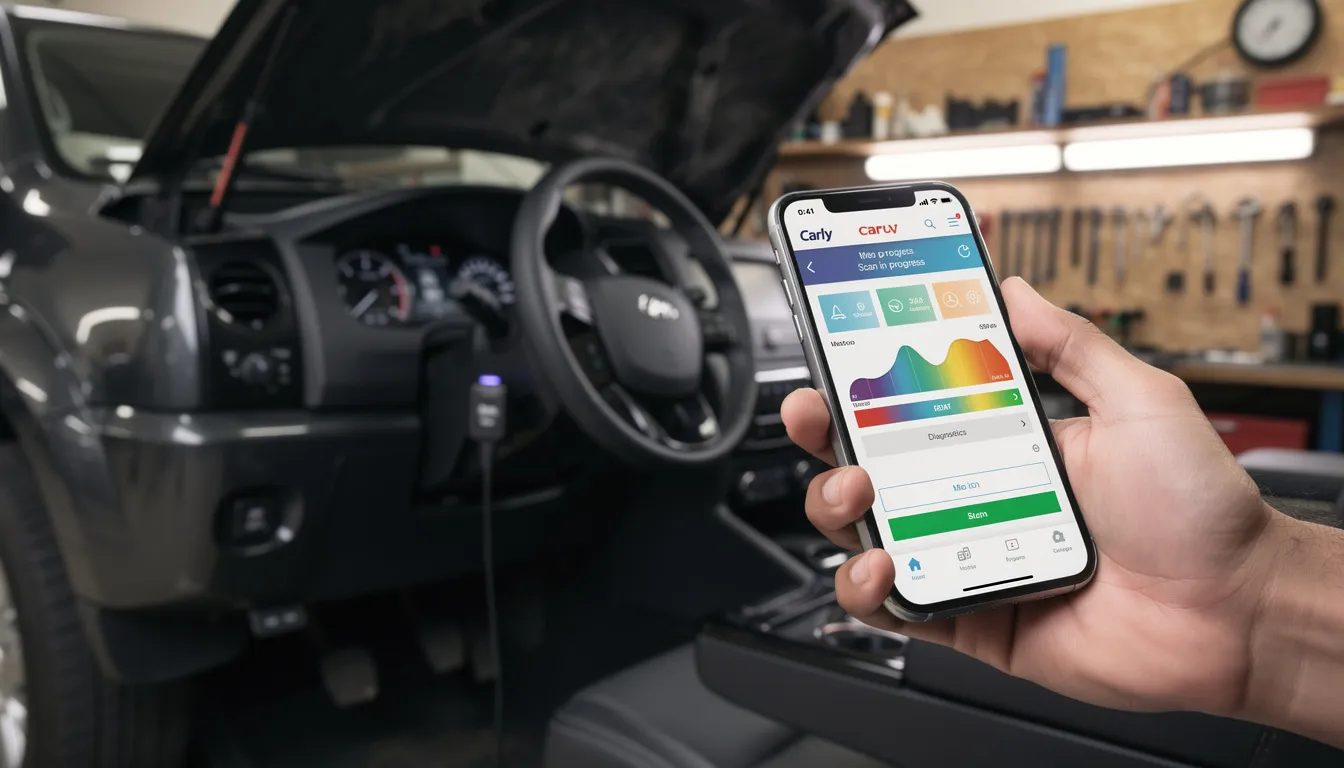
Carly OBD represents the most advanced solution for diesel truck owners seeking performance optimization without legal risks. This professional-grade diagnostic platform provides comprehensive monitoring for 2010+ diesel trucks across all major manufacturers.
Real-time DEF system monitoring prevents costly failures before they occur by tracking fluid quality, injection rates, and SCR efficiency metrics. The system alerts owners to developing problems weeks or months before component failure, enabling proactive maintenance that extends system life.
Advanced DPF regeneration tracking optimizes maintenance intervals by monitoring soot loading and regeneration effectiveness. This data helps owners understand their specific driving patterns and adjust maintenance schedules accordingly, preventing premature filter replacement.
The platform offers compatibility with:
- Ford PowerStroke 6.7L engines from 2011-2024
- GM Duramax platforms including LML, LGH, and L5P variants
- RAM Cummins 6.7L systems across all model years
- Jeep Grand Cherokee diesel applications
- Commercial truck platforms meeting OBD standards
Professional-grade diagnostics cost a fraction of dealer scan tools ($249 vs $3,000+) while providing equivalent functionality. Live data streaming identifies DEF quality issues, SCR efficiency problems, and pending system failures with dealer-level accuracy.
Key diagnostic capabilities include:
- NOx sensor monitoring and calibration verification
- DEF pump pressure and flow rate analysis
- SCR catalyst efficiency measurement
- Exhaust gas temperature monitoring across multiple points
- DPF loading percentage and regeneration cycle optimization
- Engine control unit parameter analysis for performance tuning
The system prevents unnecessary system replacements through accurate fault diagnosis, potentially saving thousands in misdiagnosed repairs. Many DEF system failures result from simple sensor issues or software problems rather than major component failures.
Legal Performance Enhancement Options
Cold air intake systems provide 10-15 HP gains while maintaining emissions compliance. These modifications improve airflow without affecting exhaust treatment, offering some performance benefits without legal risks.
Exhaust systems designed to work with existing DPF and SCR components can improve sound and flow characteristics. Professional exhaust modifications maintain all required emission control components while optimizing exhaust flow patterns.
ECU tuning within manufacturer parameters delivers improved fuel economy and performance without triggering emissions system conflicts. Professional tuners can optimize injection timing, boost pressure, and other parameters while maintaining full emissions compliance.
Turbocharger upgrades compatible with emissions control systems offer substantial performance gains. Modern turbo designs can increase power output significantly while working within existing emissions system parameters.
Cost Analysis: Delete vs. Proper Maintenance
Understanding the true cost comparison requires examining both immediate expenses and long-term financial risks. DEF delete kit costs typically range from $1,500 to $3,500, plus installation fees of $500 to $1,200 for professional installation.
However, potential EPA fines add $2,500 to $45,000 to the total cost calculation. When enforcement occurs, the original savings from deletion disappear immediately, often resulting in net losses that exceed proper maintenance costs by substantial margins.
Proper DEF system maintenance costs approximately $200-400 annually, including fluid purchases and routine system monitoring. This predictable expense contrasts sharply with the unpredictable but potentially catastrophic costs of enforcement action.
| Cost Category | Delete Option | Proper Maintenance |
|---|---|---|
| Initial Investment | $2,000-4,700 | $249 (Carly OBD) |
| Annual Operating | $0 | $200-400 |
| Potential Penalties | $2,500-45,000 | $0 |
| Warranty Risk | Complete Loss | Full Protection |
| Resale Impact | -20-30% value | No Impact |
Carly OBD diagnostics prevent 80% of premature SCR system failures through early detection and intervention. This prevention capability transforms unpredictable repair costs into manageable maintenance expenses.
Professional maintenance using advanced diagnostics can extend DEF system life to 300,000+ miles on properly maintained vehicles. This longevity matches or exceeds engine life expectations, eliminating system replacement as a practical concern for most owners.
The financial analysis clearly favors legal compliance when all factors are considered. Short-term savings from deletion are quickly overwhelmed by legal risks and technical complications that proper maintenance avoids entirely.
Environmental Impact of Diesel DEF Deletes
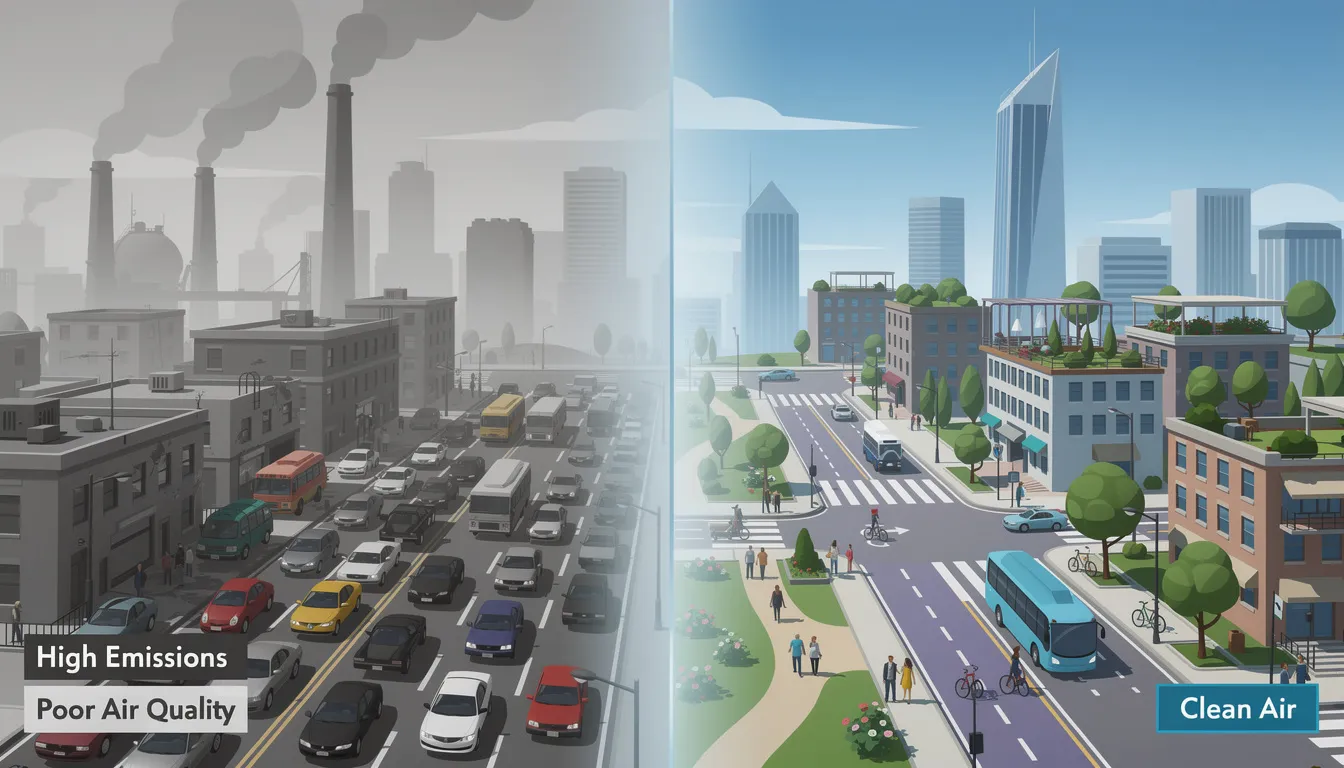
The environmental consequences of DEF deletion extend far beyond individual vehicle operation. NOx emissions increase 1,000-4,000% without functional SCR systems, directly contributing to air quality degradation in urban areas.
Particulate matter emissions rise 5,000% without DPF filtration, releasing harmful particles that affect respiratory health. These microscopic particles penetrate deep into lung tissue, causing measurable health impacts in exposed populations.
A single deleted truck produces pollution equivalent to 50 compliant vehicles during normal operation. This multiplication effect means even limited deletion activity can substantially impact regional air quality, particularly in areas with high diesel truck concentrations.
Air quality degradation affects respiratory health through several mechanisms:
- Increased asthma rates in children and sensitive individuals
- Elevated cardiovascular disease risk in urban populations
- Worsened conditions for individuals with existing respiratory conditions
- Measurable increases in emergency room visits during high-pollution periods
Greenhouse gas emissions increase due to incomplete combustion without proper emissions controls. The environmental harm extends beyond local air quality to contribute to broader climate change impacts.
The cumulative effect of widespread deletion would reverse decades of progress in diesel emissions reduction. Federal regulations have successfully reduced diesel pollution by over 95% since implementation, improvements that deletion undermines significantly.
Frequently Asked Questions About DEF Deletes
Is DEF Delete Legal in Any State?
DEF deletion remains federally illegal under the Clean Air Act across all 50 states without exception. No state exemptions exist for street-driven diesel vehicles, regardless of local enforcement practices or inspection requirements.
Off-road only vehicles may qualify for exemptions in specific circumstances, but these exemptions require strict usage limitations. The vehicle cannot be operated on public roads under any circumstances, and documentation proving off-road-only use must be maintained.
Racing vehicles require EPA competition-only certification for legal deletion. This certification process involves substantial documentation and restricts vehicle use to sanctioned racing events only.
Federal law supersedes state regulations in emissions matters. Even in states without emissions testing, federal penalties still apply to deleted vehicles discovered through other enforcement mechanisms.
What Happens If I Get Caught With a Deleted Truck?
Initial inspection failure requires immediate system restoration before registration renewal. The vehicle cannot be legally operated until compliance is restored, potentially creating substantial inconvenience and expense.
EPA investigation can result in federal fines and enforcement action extending beyond the individual vehicle. Multiple violations or commercial operations face escalated penalties and potential criminal charges.
Insurance claims may be denied for modified emissions systems. Some insurers exclude coverage for vehicles with illegal modifications, potentially leaving owners financially exposed in accident situations.
Commercial operators face DOT violations and potential license suspension. Professional drivers and trucking companies face additional regulatory consequences beyond EPA enforcement.
How Much Does DEF System Repair Really Cost?
DEF pump replacement typically costs $1,200-2,500 including labor, depending on vehicle platform and component accessibility. This represents the most common DEF system failure mode.
SCR catalyst replacement ranges from $3,000-6,000 for OEM parts on most diesel trucks. Aftermarket alternatives may reduce costs but often lack the longevity of original equipment.
NOx sensor replacement costs $400-800 per sensor, with most systems using multiple sensors requiring simultaneous replacement for optimal performance.
Complete system overhaul for severe damage cases can reach $8,000-15,000, typically resulting from neglected maintenance or improper repair attempts.
Preventive maintenance with Carly OBD reduces repair costs by 70% through early problem detection and intervention. This dramatic cost reduction results from addressing issues before they cause secondary damage.
The Smart Alternative: Carly OBD for Diesel Maintenance
Carly OBD provides a comprehensive solution for diesel owners seeking performance and reliability without legal risks. This advanced diagnostic platform enables legal compliance while maximizing engine efficiency and longevity through intelligent monitoring.
The system represents a one-time investment that provides lifetime diesel maintenance optimization. Unlike deletion options that create ongoing legal liability, Carly OBD increases in value over time by preventing expensive repairs and system failures.
Compatibility extends across all major diesel truck brands from 2008-2024 model years, including legacy systems and the newest engine technology. This broad compatibility ensures consistent functionality regardless of vehicle age or manufacturer.
Real-time monitoring prevents DEF crystallization and SCR catalyst damage through early warning systems. The platform tracks system parameters continuously, alerting owners to developing problems before they require expensive intervention.
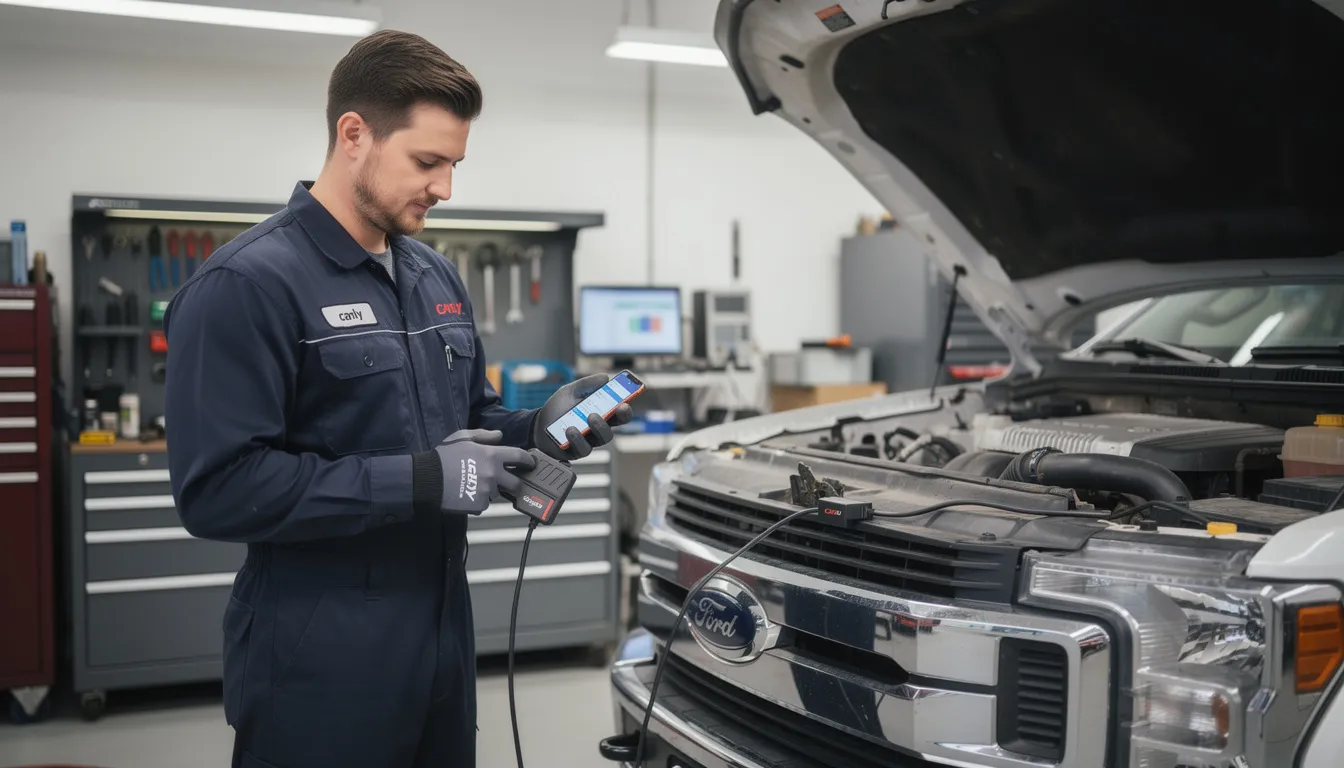
Guided regeneration procedures extend DPF life beyond 400,000 miles through optimized cleaning cycles. The system helps owners understand when regeneration is needed and how to perform it most effectively for maximum filter longevity.
Advanced features include:
- Comprehensive engine performance monitoring across all systems
- Predictive maintenance scheduling based on actual driving conditions
- Professional-grade diagnostic capabilities without dealer visit requirements
- Integration with mobile devices for convenient monitoring
- Regular software updates maintaining compatibility with newer vehicles
- Technical support from diesel engine experts
The platform transforms complex emissions system maintenance into a manageable process that enhances rather than restricts vehicle performance. By working with existing systems instead of against them, Carly OBD delivers the benefits owners seek from deletion without any of the associated risks.
For diesel truck owners facing expensive repairs or considering risky deletion options, Carly OBD represents the intelligent choice that protects both your investment and your legal standing while maximizing your truck’s potential.