
That dreaded check engine light just illuminated your dashboard, and you’re wondering if there’s a way to clear those diagnostic codes without an expensive trip to the mechanic. The good news is that modern vehicles provide several methods for clearing diagnostic trouble codes yourself, potentially saving hundreds of dollars in diagnostic fees.
Understanding how to clear codes on car systems is an essential skill for any vehicle owner. While clearing the warning light is often straightforward, the real challenge lies in ensuring you address the underlying problem that triggered the code in the first place. This comprehensive guide will walk you through multiple proven methods, from professional-grade scan tool approaches to simple battery disconnects, while helping you discover when DIY solutions are appropriate and when professional intervention becomes necessary.
Whether you’re dealing with failed emissions tests, preparing for an important drive, or simply want to understand your vehicle’s diagnostic system better, this post will provide the relevant answers and tools you need to clear the codes safely and effectively.
Quick Methods to Clear Car Diagnostic Codes
When you need immediate results, these proven methods can help you clear codes quickly. Each approach has specific advantages depending on your situation, available tools, and technical comfort level.
Use an OBD-II scanner – This is the most reliable method for clearing codes while preserving valuable diagnostic data. Simply plug the scanner into your vehicle’s diagnostic port, typically located under the dashboard near the steering column. Turn your ignition to the “ON” position without starting the engine, then navigate to the “Clear Codes” or “Erase DTCs” function. Most basic code reader devices can accomplish this task in under five minutes.
Disconnect the car battery – Remove the negative terminal first, followed by the positive terminal, and wait 15-30 minutes. This method resets the entire engine control module but will also erase radio presets, clock settings, and adaptive learning data your computer has stored over time.
Remove the ECU fuse – Locate your vehicle’s fuse box and find the Engine Control Unit fuse using your owner’s manual. Remove this specific fuse for 10-15 minutes using a fuse puller, then reinstall it firmly. This targeted approach affects only the engine management system while preserving other electronic settings.
Complete a drive cycle – After addressing the underlying issue, drive your vehicle through specific patterns that allow the system to self-reset. This includes city driving at 25-40 mph, highway speeds above 55 mph, and idle periods under normal conditions.
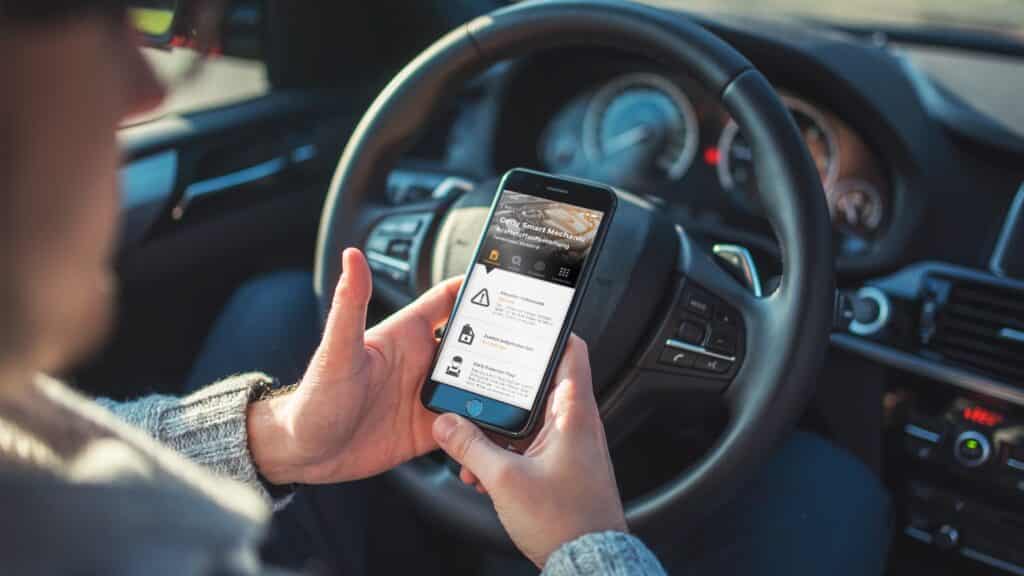
Use smartphone apps with Bluetooth adapters – Modern technology offers wireless solutions through apps paired with OBD-II Bluetooth adapters. These provide convenient code clearing capabilities while offering additional information about your vehicle’s performance and health.
Understanding Your Car’s Diagnostic System
Every vehicle manufactured since 1996 utilizes standardized OBD-II diagnostic systems that constantly monitor engine, transmission, and emissions components. This sophisticated network of sensors creates a comprehensive report of your vehicle’s operational status, automatically generating diagnostic trouble codes when performance falls outside predetermined parameters.
The check engine light serves as your primary warning system, illuminating when the onboard computer detects issues significant enough to warrant attention. A solid amber or yellow engine light indicates problems requiring diagnosis soon but not necessarily emergency service. However, a blinking check engine light signals serious problems that could cause permanent engine damage if you continue driving.
Diagnostic trouble codes remain stored in your vehicle’s computer memory even when warning lights turn off. This stored data includes valuable freeze frame information capturing exact operating conditions when each fault occurred – engine temperature, fuel pressure, vehicle speed, and other critical parameters that help mechanics diagnose intermittent problems.
Understanding the difference between temporary and permanent codes is crucial for effective troubleshooting. Temporary codes may clear themselves after the system runs through several successful monitoring cycles, while permanent codes require specific repair procedures before the system will erase them. Advanced scanners can distinguish between these code types and provide more complete diagnostic information.
Using OBD-II Scanners to Clear Codes
Professional mechanics and experienced DIY enthusiasts prefer OBD-II scanners because they provide controlled, precise code clearing while maintaining access to valuable diagnostic data. This method allows you to read, analyze, and selectively erase specific codes without affecting other vehicle systems.
Locate the OBD-II port under your dashboard, usually positioned within two feet of the steering column. This standardized connector is typically black or gray and features a distinctive trapezoidal shape with 16 pins. Some vehicles may have a protective cover that snaps off to reveal the port.
Turn ignition to “ON” position without starting the engine. This provides power to the diagnostic system while keeping the engine stationary for safety. Insert your scanner firmly into the port until it clicks into place – loose connections can cause communication errors or incomplete data transfer.
Record all error codes before clearing them for future reference and troubleshooting. Write down each code number along with its description, as this information becomes invaluable if problems recur or if you need to provide details to a mechanic later. Many scanners allow you to save this data electronically for easy reference.
Select “Clear Codes” or “Erase DTCs” option in your scanner menu. Different scanner models use varying terminology, but the function typically appears as “Erase,” “Clear,” or “Reset” in the main menu. Some advanced scanners require confirmation before proceeding to prevent accidental code deletion.
Wait for confirmation message before disconnecting your scanner. Most devices display “Codes Cleared Successfully” or similar notification when the process completes. Never disconnect the scanner during active communication, as this could potentially corrupt diagnostic data or cause system glitches.
Recommended OBD-II Scanner Options
Choosing the right scan tool depends on your budget, technical needs, and how frequently you plan to perform diagnostics. Here are proven options across different price ranges:
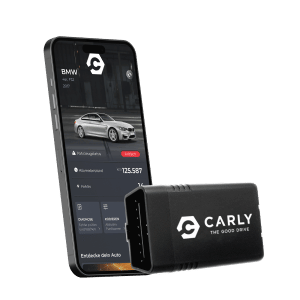
Carly OBD Scanner – Considered one of the best options on the market, the Carly OBD Scanner pairs with your smartphone to deliver advanced diagnostics and coding features. It supports a wide range of vehicles, allowing you to read and clear codes, access live data, perform detailed vehicle health checks, and even customize certain car settings. Its user-friendly app and regular updates make it a top choice for both DIYers and professionals. For more information, visit mycarly.com/scanner.
Free code reading services are available at AutoZone, O’Reilly Auto Parts, and Advance Auto Parts locations nationwide. While these services don’t allow you to clear codes yourself, they provide valuable diagnostic information to help you understand what repairs your vehicle needs.
BlueDriver Bluetooth Scanner ($99-129) – This wireless scanner connects to smartphones and tablets, providing professional-grade diagnostics through an intuitive app interface. The BlueDriver offers live data streaming, freeze frame analysis, and detailed code explanations that help you understand what each error means.
Autel MaxiCheck MX808 ($299-399) – Professional technicians favor this advanced unit for comprehensive system analysis beyond basic engine codes. It covers transmission, ABS, airbag, and other vehicle systems while providing graphical data display and advanced troubleshooting capabilities.
MOTOPOWER MP69033 ($25-45) – Budget-conscious vehicle owners can access essential code reading and clearing functions with this basic scanner. While it lacks advanced features, it reliably performs fundamental diagnostic tasks for most common engine and emissions issues.
OBDLink MX+ ($99-149) – This versatile scanner works with multiple software platforms and provides wireless connectivity for real-time data monitoring. It’s particularly popular among enthusiasts who want to track vehicle performance and fuel economy trends over time.
Free code reading services are available at AutoZone, O’Reilly Auto Parts, and Advance Auto Parts locations nationwide. While these services don’t allow you to clear codes yourself, they provide valuable diagnostic information to help you understand what repairs your vehicle needs.
Alternative Methods Without Scanners
When professional scan tools aren’t available, several proven techniques can reset your vehicle’s diagnostic system. These methods require basic hand tools and careful attention to safety procedures, but they’re accessible to most vehicle owners.
Battery Disconnection Method
This traditional approach remains effective for clearing codes, though it comes with trade-offs that you should understand before proceeding. Battery disconnection resets the entire engine management system along with other electronic components.
Turn off engine and remove keys from the ignition completely. Ensure all electrical accessories are switched off, including headlights, radio, and air conditioning. This prevents electrical surges that could damage sensitive components when you disconnect power.
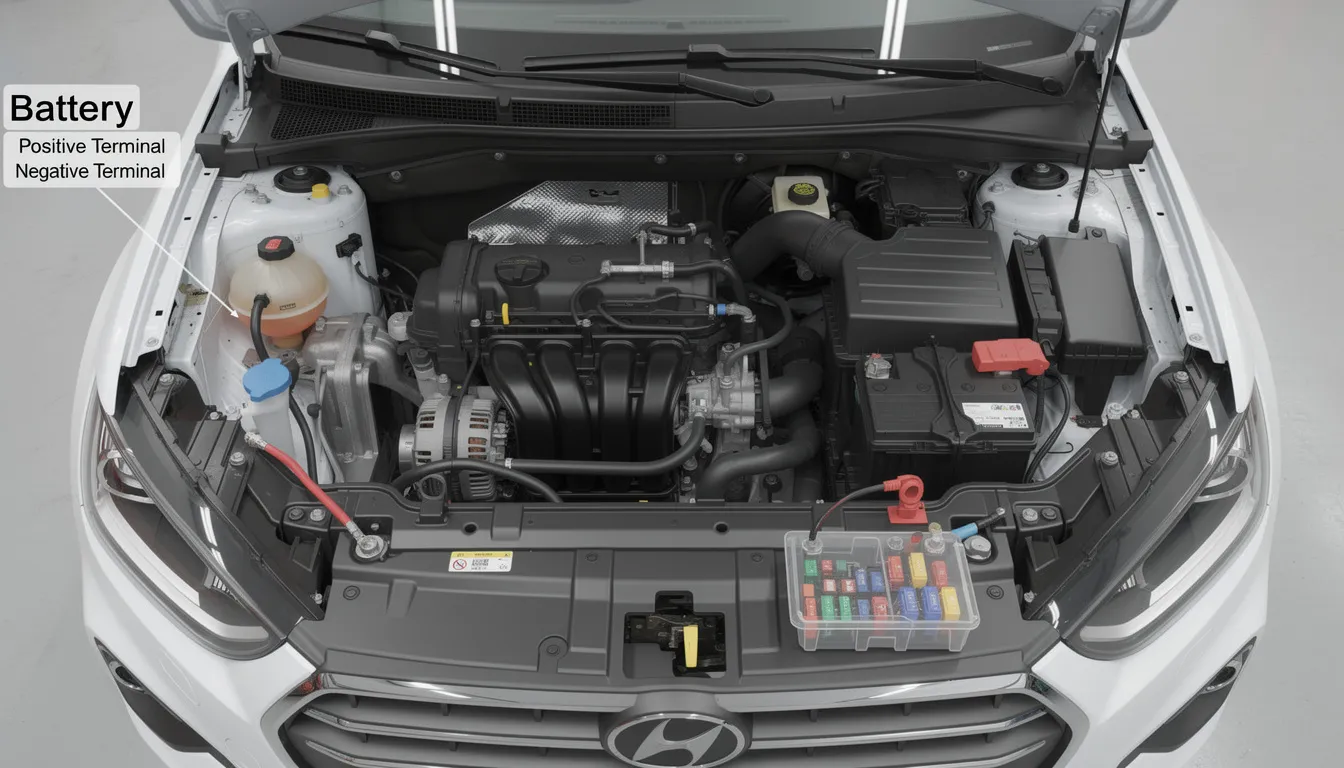
Disconnect negative battery cable first, followed by the positive cable. Always remove the negative (ground) connection before the positive to prevent accidental short circuits. Use appropriate wrenches – typically 8mm, 10mm, or 13mm depending on your vehicle’s battery terminal design.
Wait 15-30 minutes for internal capacitors to discharge completely. Modern vehicles store electrical charge in various components even after battery disconnection. Longer discharge times ensure complete system reset and more reliable code clearing.
Reconnect positive cable first, then negative cable. Tighten connections firmly but avoid over-tightening, which can damage terminal posts. Clean any corrosion from terminals before reconnecting to ensure reliable electrical contact.
This method erases radio presets, clock settings, and ECU learning data accumulated over thousands of miles. Your vehicle may experience rough idle, altered shift points, or reduced fuel economy for several days while the computer relearns optimal operating parameters.
ECU Fuse Removal Technique
Targeting the specific fuse that controls your engine control unit provides more precise reset capabilities while preserving other vehicle settings. This method requires identifying the correct fuse to avoid disabling critical safety systems.
Locate fuse box under the dashboard or in the engine bay using your owner’s manual. Most vehicles have multiple fuse boxes, so consult your specific manual to find the one containing engine management fuses. Some vehicles label fuse boxes clearly, while others require manual reference.
Find ECU/ECM fuse using the diagram provided in your owner’s manual or on the fuse box cover. These fuses may be labeled as “ECM,” “PCM,” “EFI,” or “ENGINE” depending on manufacturer terminology. Double-check the amperage rating before removal to ensure you replace it with the correct fuse.
Remove fuse with fuse puller tool for 10-15 minutes. Most fuse boxes include a plastic fuse puller, or you can use needle-nose pliers carefully. Store the removed fuse safely to prevent loss – replacement fuses with wrong amperage ratings can cause serious electrical damage.
Reinstall fuse firmly and start your vehicle to test system function. The engine should start normally without warning lights (unless underlying problems persist). If multiple warning lights appear or the engine won’t start, double-check that you removed and replaced the correct fuse.
This targeted approach affects only engine management systems while preserving radio settings, clock time, and other convenience features that battery disconnection would erase.
Drive Cycle Reset Method
Some vehicles can clear certain codes through specific driving patterns that demonstrate normal operation to the diagnostic system. This method works best after you’ve repaired the underlying problem that caused the original code.
Start with cold engine and allow it to idle for 2-3 minutes. Cold start conditions provide the diagnostic system with baseline readings for temperature, fuel mixture, and emissions components. Avoid revving the engine during this initial warm-up period.
Drive at city speeds (25-40 mph) for 5-10 minutes through varied conditions including stops, turns, and gentle acceleration. This phase allows the system to test low-speed sensors and emissions components under typical urban driving scenarios.
Include highway driving (55+ mph) for 10-15 minutes at steady speeds. Highway conditions enable testing of high-speed sensors, fuel system efficiency, and emissions components under sustained load conditions that city driving cannot provide.
Allow engine to cool completely between cycles if multiple cycles are needed. Temperature cycling helps the diagnostic system differentiate between cold and hot operation, which is crucial for comprehensive emissions monitoring.
Repeat cycle 2-3 times over several days for complete reset. Some vehicle systems require multiple successful monitoring cycles before they consider diagnostic tests complete and will clear related codes automatically.
Critical Precautions Before Clearing Codes
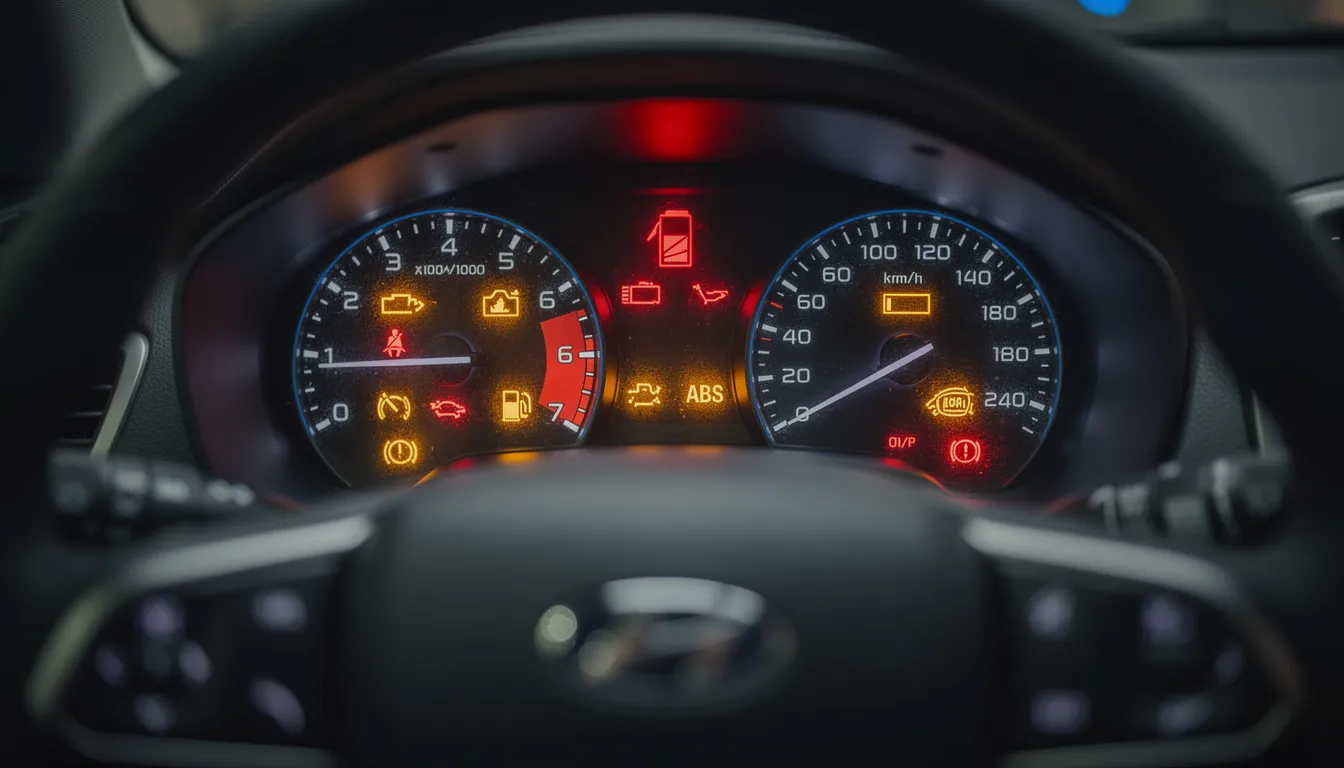
Clearing codes without proper diagnosis can mask serious problems that worsen over time, potentially leading to expensive repairs or safety hazards. Understanding what codes represent and addressing root causes protects both your vehicle and your wallet.
Always diagnose and repair underlying issues before attempting to clear any codes. Codes are symptoms, not causes – they indicate that sensors detected operating conditions outside normal parameters. Simply clearing the code without fixing what triggered it ensures the warning will return, often within minutes or hours of driving.
Record all error codes for reference and future troubleshooting needs. Document code numbers, descriptions, and any freeze frame data available. This information helps mechanics diagnose intermittent problems and provides valuable history if related issues develop later.
Check for additional warning lights beyond the check engine light before proceeding. Multiple illuminated warnings may indicate complex system failures requiring professional diagnosis. ABS, airbag, transmission, or brake warning lights combined with engine codes suggest serious safety concerns.
Ensure vehicle runs normally without stalling, misfiring, rough idle, or visible smoke before clearing codes. If your vehicle exhibits poor performance while codes are present, clearing the codes won’t improve performance and may delay necessary repairs.
Clearing codes without repairs may cause emissions test failures in states requiring periodic inspections. Incomplete monitor status resulting from recently cleared codes will cause automatic test failure regardless of actual emissions levels. Allow sufficient drive time for all monitors to complete their testing cycles.
Some permanent codes cannot be cleared until proper repairs are completed and verified through specific testing procedures. These codes require professional diagnostic equipment and repair procedures that verify the underlying problem is actually fixed, not just temporarily suppressed.
When Professional Help is Required
Recognizing the limitations of DIY code clearing helps you avoid potentially dangerous situations and costly mistakes. Certain symptoms and code patterns indicate complex problems requiring professional expertise and specialized diagnostic equipment.
Vehicle exhibits poor performance including stalling, misfiring, unusual engine noises, or loss of power indicates serious mechanical problems that code clearing cannot address. These symptoms often accompany codes related to fuel system, ignition system, or internal engine damage requiring immediate professional attention.
Check engine light returns immediately after clearing codes suggests active, ongoing problems that demand proper diagnosis and repair. Persistent codes indicate current faults rather than historical issues, meaning the underlying problem continues to trigger diagnostic alerts.
Multiple warning lights appear simultaneously on your dashboard typically indicates complex electrical or communication problems between vehicle systems. These issues require professional diagnostic equipment capable of analyzing system interactions and communication networks beyond basic OBD-II capabilities.
Emissions testing failures due to incomplete monitor readiness occur when diagnostic monitors haven’t completed their testing cycles after code clearing. Professional technicians can use advanced scan tools to check monitor status and perform specific procedures to complete readiness testing efficiently.
Complex codes requiring specialized diagnostic equipment beyond basic OBD-II scanners include manufacturer-specific codes, body control module issues, or advanced powertrain problems. These diagnostic procedures often require dealer-level equipment and technical training to interpret correctly.
Safety-related codes affecting braking, steering, or airbag systems should never be cleared without professional diagnosis and repair. These systems protect occupant safety and require specialized knowledge, tools, and replacement parts to service properly.
Common Mistakes to Avoid
Learning from typical errors helps you clear codes safely and effectively while avoiding problems that could damage your vehicle or compromise safety. These mistakes represent the most frequent issues DIY enthusiasts encounter when attempting diagnostic work.
Never clear codes without first understanding what caused them – This fundamental mistake leads to recurring problems and potentially expensive damage. Each code provides specific information about system malfunctions. Ignoring this diagnostic data wastes the valuable information your vehicle’s computer system provides.
Avoid driving with blinking check engine lights as this indicates severe engine damage risk including catalytic converter destruction or internal engine damage. Flashing lights signal active misfires that can cause expensive component failures within minutes of continued operation.
Don’t assume clearing codes fixes the underlying mechanical problem – Codes are warning signals, not repair procedures. The same logic applies to any warning system – turning off a smoke detector doesn’t extinguish the fire causing the alarm.
Ensure proper scanner compatibility with your vehicle’s make, model, and year before purchasing diagnostic equipment. Some older or newer vehicles may require specific protocols or updated software that basic scanners cannot provide. Research compatibility carefully to avoid purchasing inadequate tools.
Don’t remove wrong fuses as this can disable critical safety systems including airbags, ABS, or electronic stability control. Always verify fuse identification using your owner’s manual and double-check before removal. Incorrect fuse removal can cause expensive electrical damage or safety system failures.
Avoid clearing codes immediately before emissions testing without completing proper drive cycles. Most testing facilities require all diagnostic monitors to show “ready” status. Recently cleared codes reset these monitors to “not ready,” causing automatic test failure regardless of actual emissions levels.
Understanding these common pitfalls helps you approach code clearing with appropriate caution and increases your success rate while protecting your vehicle’s complex electronic systems. When in doubt, seek professional guidance rather than risk expensive mistakes that proper diagnosis could have prevented.
The key to successful DIY diagnostics lies in viewing code clearing as just one step in a comprehensive repair process. By combining proper diagnostic procedures, appropriate tools, and respect for your vehicle’s complexity, you can handle many diagnostic tasks yourself while knowing when professional expertise becomes necessary.